Loading…
Score Study Library
Study inside the masters’ scores.
Most composition students read about the masters. Here you study inside their scores — 458 works and 14,500+ expert annotations, measure by measure, each one connected to the lesson where you meet the technique. Below is one worked example: the opening movement of Beethoven’s Fifth, bar by bar.
Beethoven — Symphony No. 5 in C minor
Movement I: Allegro con brio · C minor · 2/4
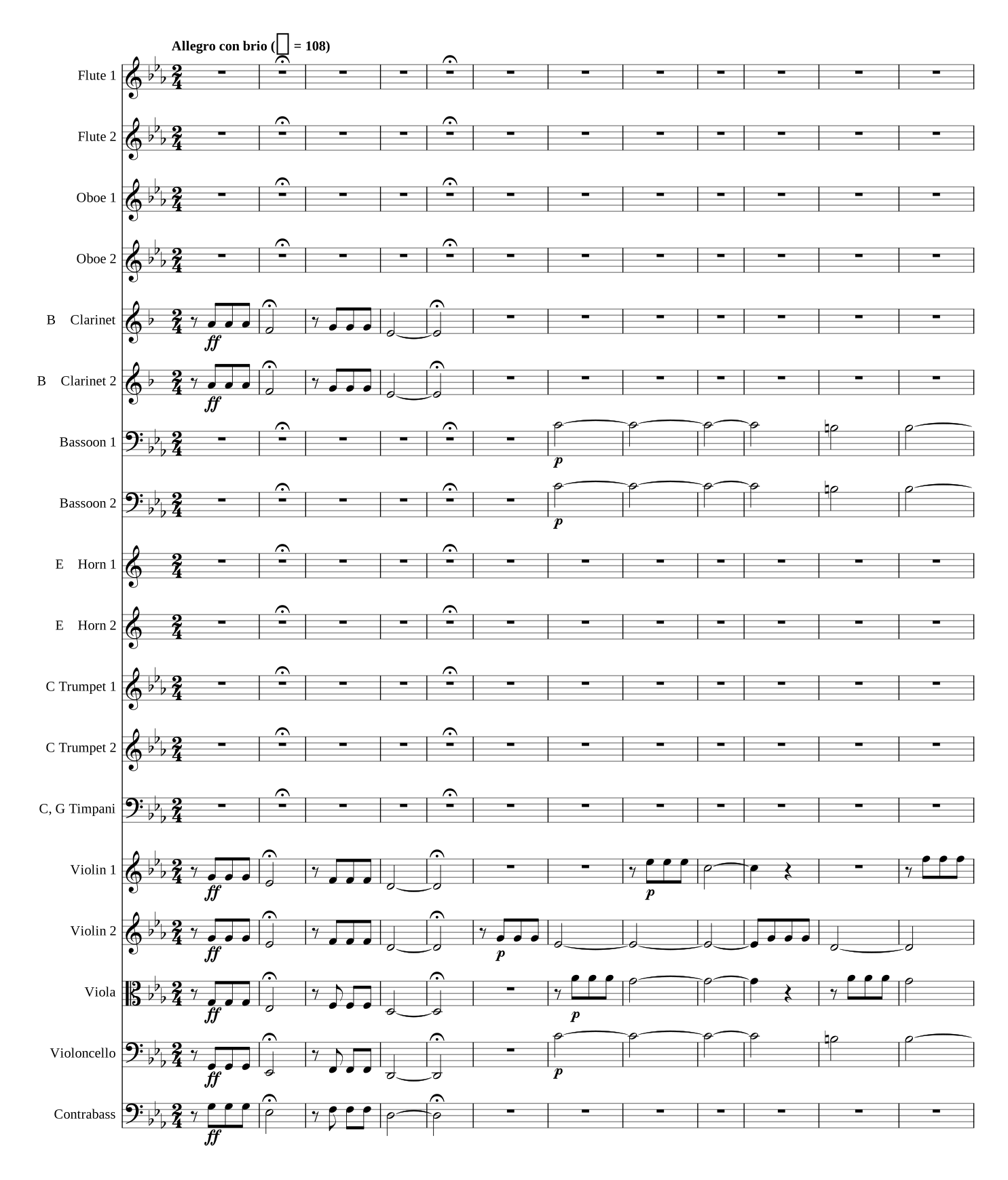
The opening page of the score. Read the annotations below to see what a student would study, bar by bar.
Expert Annotations
The Full Library
458 works · 14,500+ annotations
Every Beethoven symphony. Every major Bach cantata. 408 Bach chorales with full voice-leading analysis. Haydn, Mozart, Brahms, Schubert, Schumann, Debussy, Ravel, and more — with expert annotations, YouTube syncing, and score prediction exercises that build the analytical ear of a trained composer.
Follow the Journey
Stay Close to the Method
New lessons, score studies, and curriculum updates — a short note now and then, as the method grows.